


Gieves & Hawkes and Fashion Roundtable’s celebration of British Wool, Heritage and Craft

By Elizabeth Douglas

Walking into No. 1 Savile Row, Gieves & Hawkes' recently refurbished tailoring house, I was immediately immersed in a sumptuous environment steeped in 255 years of menswear history.
The company’s rich naval heritage and royal associations immediately caught my attention as I walked through the store’s entrance, with cavalry and Horse Guard helmets displayed throughout. Positioned beside the cloakroom, an encased historical military jacket immediately commands attention, offering guests an intriguing glimpse into the rich military history that underpins Gieves & Hawkes’ identity.

Moving into the store’s principal space, the expansive, open-plan interior beautifully reflects the company’s approach to tailoring, where meticulous. attention to detail, artistry and a considered use of high-quality materials come together to create an environment that feels both refined and timeless.

An evening spent at Gieves & Hawkes with Fashion Roundtable celebrated the Great British Wool Revival. Following its summit in Dumfries earlier in the year, Tamara Cincik, CEO and founder of Fashion Roundtable, spoke with passion about her partnership with the King’s Foundation and eloquently informed guests of the initiative’s desire to collaborate with British farmers, designers and entrepreneurs. Tamara emphasised the initiative’s strong focus on the importance of collaboration with British agriculture to revive the use of British Wool in luxury fashion. What stood out to me was the genuine care with which Cincik communicated the importance of British heritage. Her enthusiasm encouraged a lively exchange of questions and ideas among guests, with conversations continuing well into the evening around the revival of British wool and its place in contemporary fashion.

Also speaking at the event were Jason Gerrard, Managing Director of Gieves & Hawkes, and Joshua Roberto Scacheri, Design Director at Gieves & Hawkes. Gerrard spoke of the company’s change in direction post-Covid, which saw men with an abundance of opportunities to purchase items they wanted, rather than the “faceless uniform” which so many became accustomed to in a corporate environment. He went on to explain that this desire was driven by the appreciation of uniquely created craftsmanship, which when created with true integrity, is paramount. Gerrard spoke proudly and passionately about the British mills Gieves & Hawkes partnered with, emphasising the global desire and demand for genuine British textiles that is unique in its handle, design and storytelling. The British Wool Revival initiative, founded by Tamara Cincik in 2024, was created to connect British farming with global design following decades of declining wool prices. The British Government’s 2022 review found that synthetic fibres accounted for. 62% of global fibre production in 2020, while wool represented less than 1%. Tamara informed guests that, in recent years, the cost of sheep shearing has often exceeded the revenue generated by their wool. In 2015, the value of wool fell below £1/kg for the first time and in 2019, the average return to producers was just 33p/kg after British Wool’s overheads.However, the recent shift to preserving the British wool industry is showing signs of success.

Figures suggest that a combination of improving prices and renewed demand could offer a more sustainable future for British wool farmers. For example, in the 2025 clip, British wool’s average payment to producers rose to its highest level in a decade, 68p/kg. This upward trend continued into 2026, with auction prices rising 70p to £1.70/kg across the four sales of the season, compared with the same period the previous year. These figures suggest promising signs for the British wool industry, following statistics highlighted by the National Sheep Association, that state a return of £1/kg could allow a typical 2.5kg fleece to cover the shearing cost of £1.93, offering a clearer financial incentive to bring wool to market. Sustaining this recovery, however, will depend on the continued demand commercially. Initiatives such as Cincik’s British Wool Revival and events such as this one, held during Wool month, bridge the gap between British farming and the global fashion industry.
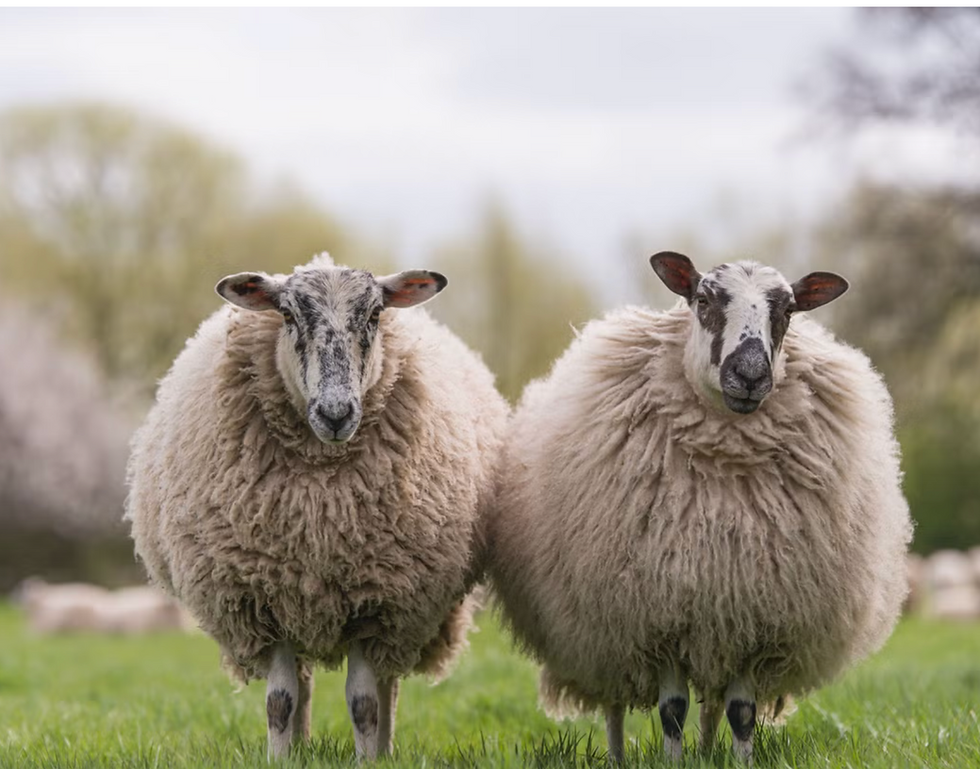
For me, Gieves & Hawkes represents the kind of influence British heritage houses can have in encouraging a wider appreciation of British materials. By recognising the value of British wool, in the house helps bring renewed attention to a resource whose significance extends beyond the material itself, encompassing the farmers, landscapes and generations of agricultural knowledge behind it. A key element of this is the collaboration with design that meets the demand of expertly crafted pieces with meaningful storytelling. Joshua Roberto Scacheri highlighted the creative themes prominent this season at Gieves & Hawkes, drawing attention to the connection between man and nature, which echoes throughout the landscape. He emphasised how these designs beautifully correlate with the craftsmanship, using natural resources to create unique, luxurious pieces, whilst juxtaposing British heritage with contemporary craft and styling to modernise the visual tone.

Throughout the evening, guests were shown an interesting collection of designs which highlighted the use of British wool. A particular crowd favourite was a predominantly grey kilt, which was made using the wool of sheep whose diet consisted of seaweed, thus giving the design its grey colouring. This piece in particular was an excellent example of the collaboration between British craftsmanship, design and storytelling that highlights the luxury of British wool.
Personally, I think the evening was a great success that showed genuine enthusiasm and passion for British wool transcending into luxury fashion, sparking conversations about British agriculture and fashion provenance. This event was an excellent example of how collaboration can lead to renewed appreciation but can this transfer into meaningful economic opportunities?

Looking ahead to 2027, the Great British Wool Revival initiative aims to host another summit and Tamara Cincik urged guests to engage with contacts whose involvement could be impactful.
Could it be that the collaboration between designers, farmers and mills will help preserve and reinvigorate an important part of Britain’s manufacturing heritage?

For more information on Fashion Round table see https://www.fashionroundtable.co.uk
For more information on Gieves and Hawkes visit https://www.gievesandhawkes.com/


Comments